September 28, 2026
Preparing a parcel of land for construction or landscaping requires significant preparation, expertise, and specialized heavy machinery. Property development begins long before any visible building structures emerge above the surface of the earth. Soil condition, underlying rock formations, natural water flow, and subterranean utility lines must all be accounted for to ensure long-term structural integrity and safety. Professional excavation services provide the essential foundation upon which all subsequent building efforts rely. Through comprehensive site evaluation, precise earthmoving, utility channel trenching, and environmental management, professional earthmoving teams transform raw, uneven terrain into a safe, functional, and fully prepared site. Understanding the core processes involved in professional site preparation enables property owners to make informed decisions regarding their residential or commercial development projects.
The journey toward a fully developed property demands careful coordination among engineers, architects, and site preparation specialists. Initial groundwork establishes crucial physical parameters, preventing future issues such as structural settling, water pooling, or unexpected soil erosion. Modern heavy equipment and advanced surveying technologies allow operators to clear obstacles, shape contours, and prepare deep foundations with millimeter accuracy. Beyond structural considerations, proper site preparation ensures full compliance with municipal building codes, local safety guidelines, and regional environmental protection standards. By partnering with experienced contractors, land developers can navigate complex topographical challenges and create a stable canvas for future building endeavors. Investing in top-tier earthmoving expertise ultimately saves time, reduces financial risks, and establishes long-term property stability.
Evaluating Soil Composition and Topography
Understanding the unique characteristics of the earth beneath a project site represents one of the initial phases of professional site preparation. Soil composition varies dramatically across different regions and even within the boundaries of a single lot. Earthmoving specialists analyze soil density, moisture retention, compaction capabilities, and load-bearing capacity to determine how the ground will behave under structural weight. Clay-heavy soils, for instance, expand and contract significantly with moisture changes, whereas sandy soils require specialized stabilization strategies. A detailed soil study informs contractors on the appropriate digging techniques, backfill requirements, and foundation designs necessary for long-term stability.
In addition to physical soil properties, land topography heavily influences the scope of earthmoving work required for site preparation. Slopes, natural depressions, and varying elevations dictate how water drains across the property and how structural loads will be distributed. Professional land clearers carefully evaluate elevation mapping to design effective grading strategies. Addressing topographical challenges early prevents severe issues like localized flooding, foundation displacement, and ground instability. By pairing precise soil analysis with detailed topographical mapping, site preparation specialists establish a comprehensive framework that guides all subsequent earthmoving and construction phases.
Identifying Natural and Structural Obstacles
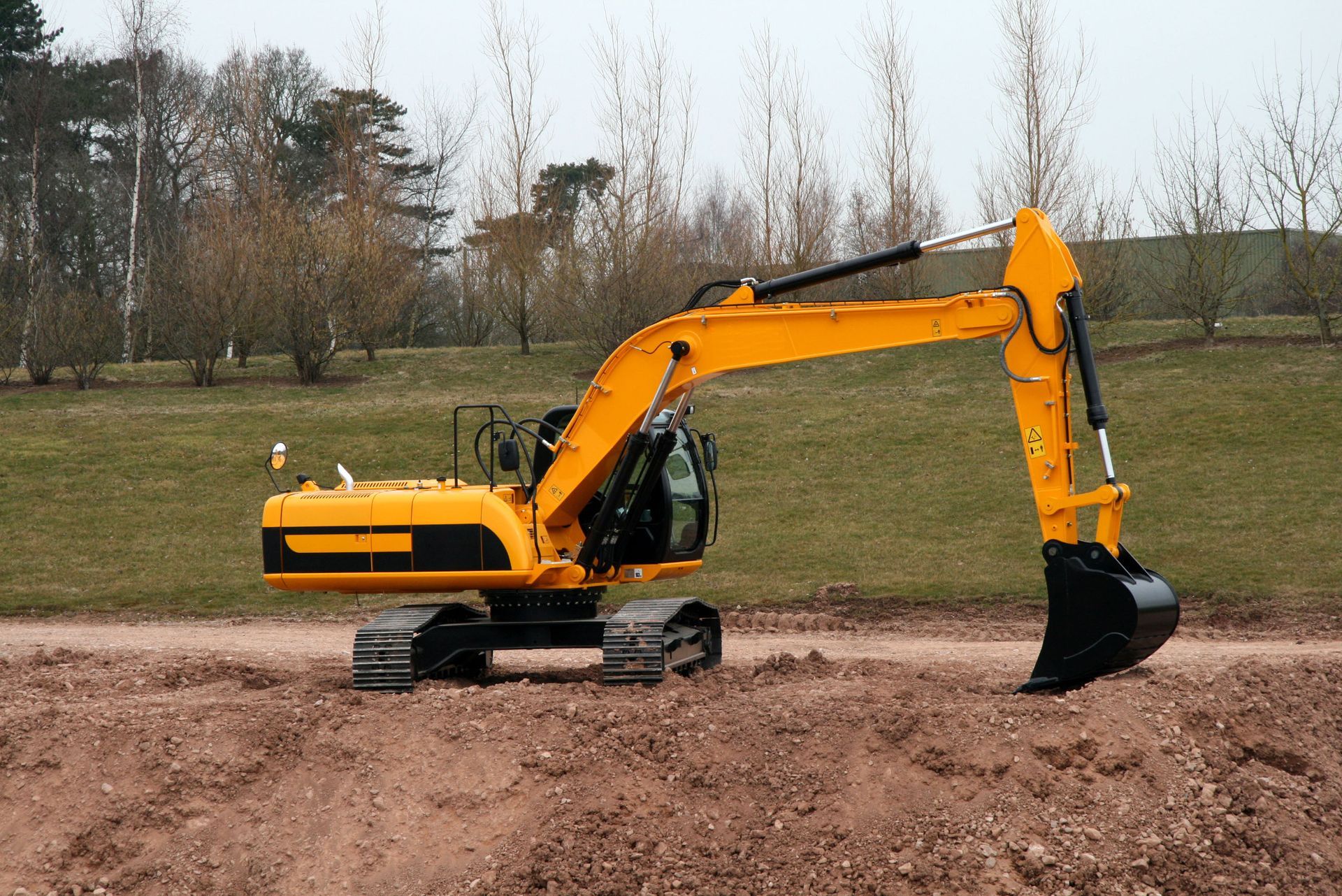
Navigating subsurface and surface obstacles is another pivotal responsibility handled during professional property preparation. Before any foundational work can commence, the site must be entirely cleared of natural growth, including mature trees, stubborn root systems, dense brush, and large boulders. Removing deep roots is especially critical, as decaying organic matter underground creates hollow pockets that compromise soil compaction and trigger future ground settling. Utilizing heavy machinery like bulldozers, excavators, and root rakes, professional operators clear away surface vegetation quickly while preserving topsoil integrity where needed.
Beyond natural elements, many properties contain hidden man-made obstructions that present significant logistics challenges. Old concrete footings, abandoned utility lines, buried debris, and subterranean rock formations can impede progress if not identified beforehand. Ground-penetrating radar and advanced surveying technologies allow earthmoving crews to locate subterranean hazards without unnecessary digging. Efficiently identifying and clearing these obstacles prevents costly machinery breakdowns, eliminates unexpected delays, and guarantees a pristine workspace. Through systematic site clearing, excavation services establish a clean, safe, and predictable environment suitable for immediate foundational development.
Surveying Water Drainage and Runoff Paths
Managing water movement across a piece of land is critical to preserving structural foundations and preventing severe soil erosion. During site evaluation, earthmoving teams conduct detailed surveys to map natural water drainage paths and runoff behaviors across the terrain. Uncontrolled water accumulation can undermine heavy footings, erode newly graded slopes, and flood basements or lower building levels. Identifying where rainwater naturally flows allows contractors to plan effective grading and sub-surface drainage systems that direct excess water away from future building footprints.
Proper water management during earthmoving includes establishing temporary control measures, such as retention basins, swales, and diversion channels. These measures protect exposed earth from washing away during heavy rainfall events while active construction takes place. Earthmoving professionals combine historical rainfall data with site-specific contours to design long-term drainage networks. Incorporating natural water pathways into the overall site plan minimizes environmental disruption while optimizing property drainage. Thorough water surveying ensures the underlying soil remains stable, dry, and strong enough to support heavy structural elements for decades.
Calculating Accurate Digging and Foundation Depths
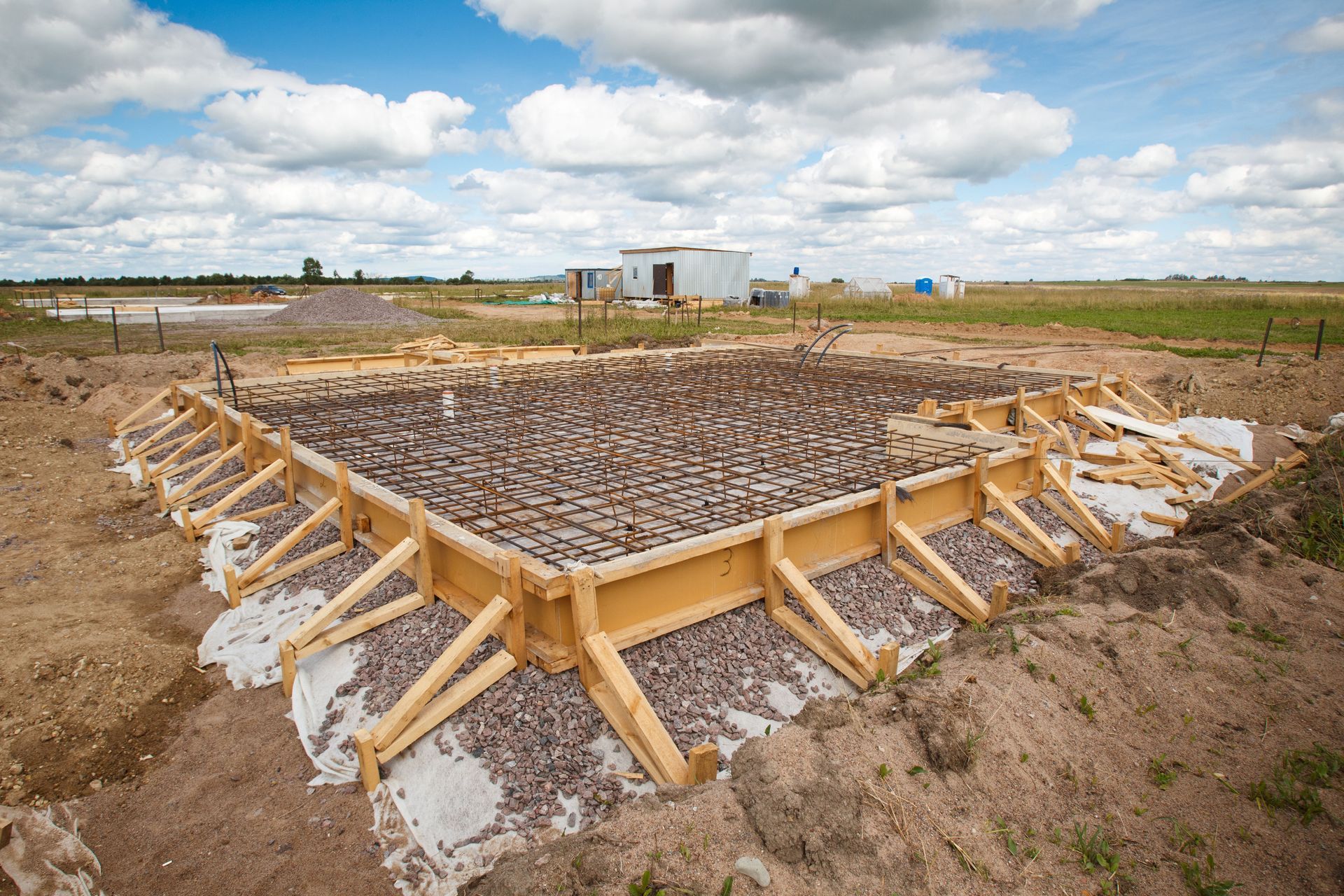
Determining the exact depth required for foundational footings and subterranean structures is a non-negotiable step in property preparation. Architectural designs and civil engineering plans specify precise depth parameters based on local frost lines, building height, weight distribution, and soil load-bearing capacity. The depth of excavation can impact overall project costs, timelines, and labor requirements, making accuracy essential. Given that excavation accounts for nearly 7% of all construction-related costs in residential builds, according to WiFiTalents, precise calculations can help manage the financial outlay effectively. Incorrect depths could result in unnecessary expenses or compromise the integrity of the entire building structure.
Executing depth calculations requires skilled machine operation and real-time laser measurement systems to guarantee precise tolerances. Digging too deep destabilizes the surrounding native soil, requiring costly engineered backfill and additional compaction to restore structural integrity. Conversely, shallow digging leaves foundations vulnerable to frost heave, moisture shifts, and uneven weight distribution. Earthmoving crews specializing in excavation services monitor trench depths constantly throughout the digging process to maintain absolute consistency across the entire footprint. Precise depth execution safeguards the structural stability of the upcoming build while keeping the broader construction project on schedule and within budget.
Formulating a Comprehensive Site Plan
The final phase of site preparation planning involves synthesizing all survey data into a clear, actionable operational plan. A comprehensive site plan outlines specific timelines, equipment requirements, safety protocols, and operational sequences tailored to the property's unique terrain. This detailed strategy acts as a primary roadmap for heavy equipment operators, utility contractors, and structural engineers, ensuring seamless coordination across every phase of preparation. Clear communication across all technical departments regarding excavation services minimizes downtime, prevents duplicate work, and drastically reduces the potential for costly errors.
A well-structured site strategy also addresses environmental compliance, waste disposal logistical paths, and material staging zones. Equipment routes are planned to avoid over-compacting areas designated for future landscaping or natural drainage. Additionally, contingency plans are established to manage potential weather disruptions, unexpected underground obstacles, or soil instability issues. By taking a proactive approach to project planning, professional site preparation teams ensure a smooth transition from initial site clearing to foundational concrete pouring, laying the ground for a successful building process.
Thorough property preparation forms the cornerstone of every safe, durable, and successful construction project. From conducting preliminary soil analyses and clearing stubborn subterranean obstacles to implementing advanced drainage solutions and calculating precise digging depths, professional earthmoving creates a solid foundation for future growth. Partnering with a dedicated team of earthmoving specialists eliminates the stress of land preparation while ensuring full compliance with technical, safety, and environmental standards. For property owners in need of reliable land clearing, site grading, utility trenching, or foundational digging, choosing experienced professional excavation services ensures exceptional results from the ground up. Contact the expert team at JTI Grading LLC today to discuss your project requirements and request a personalized site assessment.